
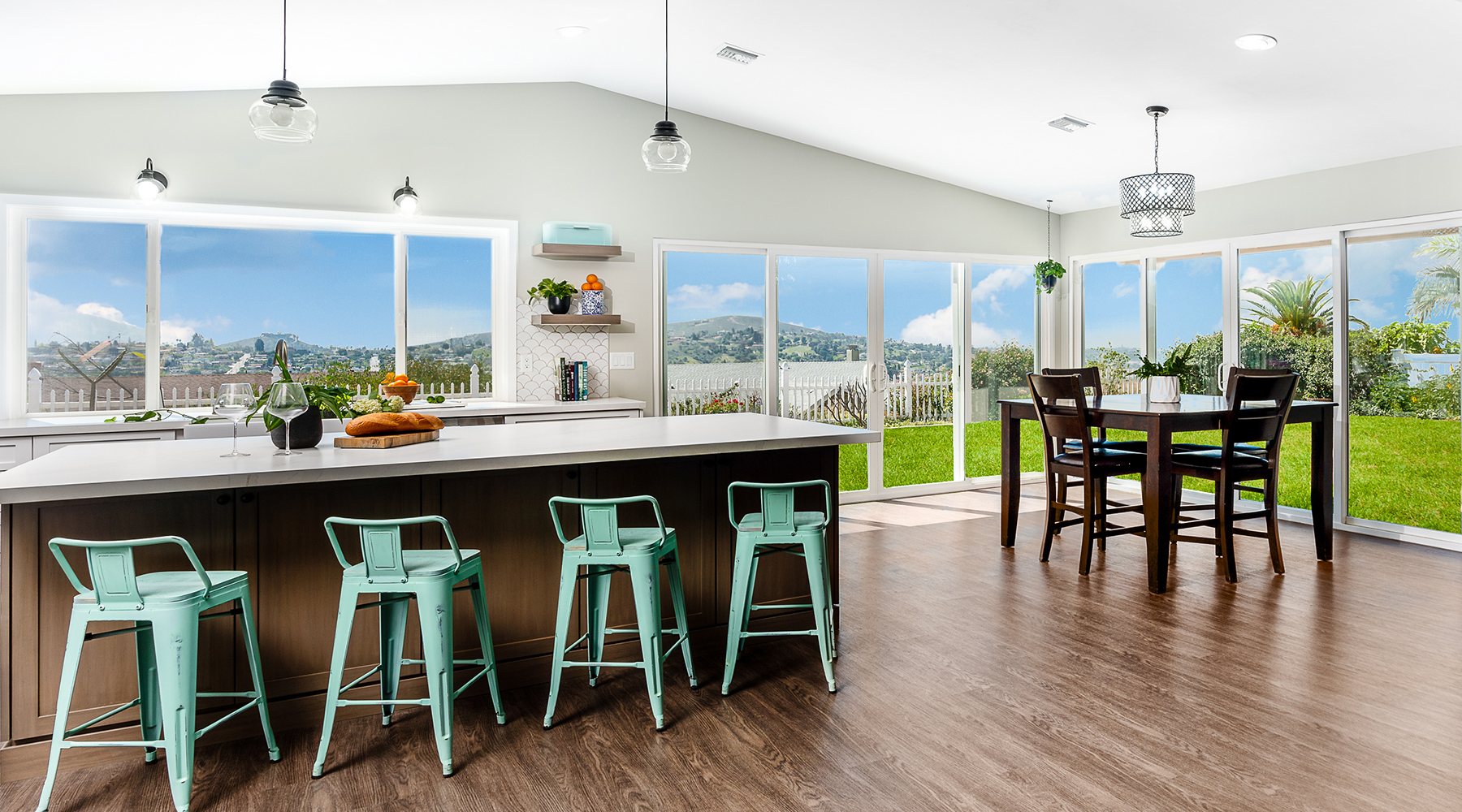
Natural light is the most powerful design element in any coastal home. It shapes mood, space, and the connection to the ocean. Yet capturing that light intentionally, without glare or heat, takes more than big windows and skylights. The right approach balances exposure, reflection, and energy efficiency. At Green Room Design Build, we design homes that live and breathe with the rhythm of the coast, using architecture and materials to invite the sun in softly and purposefully.
Understanding Coastal Light
The light along the Southern California coast is unlike anywhere else. It shifts throughout the day, reflecting off the water and sand in ways that constantly change tone and temperature. Morning light can feel cool and blue, while late afternoon sun glows warm and golden. Designing for this natural rhythm means studying how light behaves within the context of the landscape, not just within the walls of a home.
Coastal light is also more intense due to ocean reflection. The sea acts as a giant mirror, increasing brightness and glare. This is why the design process must consider not just how much light enters a space, but how it is controlled, softened, and dispersed.
Designing with Direction
Orientation is the foundation of every well-lit coastal home. The way a structure sits on the land determines how the sun interacts with it throughout the day.
South-facing rooms typically receive the most consistent daylight, which makes them ideal for living areas. North-facing spaces tend to get cooler, more diffused light, perfect for offices or art studios. East-facing windows capture the sunrise, filling kitchens and breakfast nooks with morning light, while west-facing rooms benefit from rich, glowing sunsets.
Designing with direction is about balance. Too much western exposure can lead to glare and overheating, but when paired with shading elements such as extended eaves or light-filtering glass, it becomes a highlight of the home’s design.
Materials That Work With Light
Material selection can make or break how natural light performs inside a space. The goal is to enhance brightness without creating harsh reflections.
Natural finishes like white oak, limestone, and Venetian plaster interact with light in soft, organic ways. These surfaces diffuse sunlight and create a warm, even glow rather than a sharp shine. Matte finishes are often preferred over glossy ones because they prevent glare and allow the light to rest gently on the surface.
Reflective surfaces can still play a role when used intentionally. For example, light-colored stone or pale tile can bounce daylight deeper into a room, especially when paired with high ceilings or open layouts. The key is restraint. Every surface should support the natural rhythm of light rather than compete with it.
Architecture That Breathes
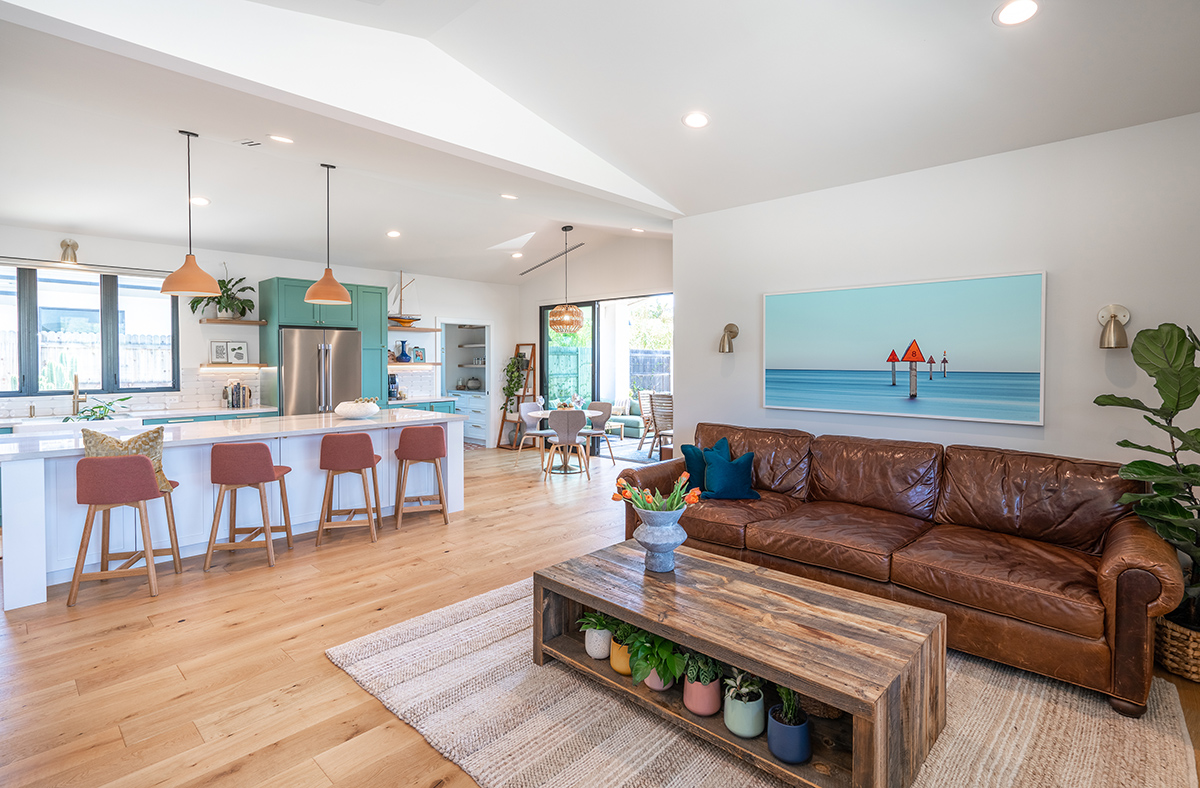
Natural light works best when it feels alive. Architectural design can guide that experience by encouraging movement of light through the home.
Clerestory windows, skylights, and open stairwells introduce daylight from above, reducing the need for artificial lighting during the day. These vertical light sources also create dynamic shadows that shift as the sun moves, adding depth and texture to the interior environment.
Ceiling height and structure play a major role as well. High ceilings and exposed beams can draw light deeper into a room. When paired with strategic voids, such as double-height living areas, natural light becomes a design feature that animates the space.
Green Room Design Build often uses layered glazing, light wells, and glass corridors to connect interior and exterior spaces. This allows sunlight to filter throughout the home in a way that feels natural and organic.
Designing for Efficiency and Comfort
Light can be beautiful and sustainable at the same time. Smart window placement reduces the need for artificial lighting and heating, which lowers energy use. High-performance glazing helps control heat gain and UV exposure, protecting both interiors and comfort.
Shading devices, exterior overhangs, and motorized shades are practical tools that allow homeowners to adjust lighting conditions throughout the day. Combined with energy-efficient fixtures for nighttime use, the result is a home that feels bright, calm, and environmentally responsible.
Bringing It All Together
Every Green Room project begins with a deep understanding of the site, its orientation, and the way light moves across it. We approach natural light as an architectural material—something to be shaped, guided, and celebrated.
When designed with care, natural light does more than illuminate a home. It defines it. It highlights craftsmanship, enhances comfort, and strengthens the bond between indoor living and the natural world outside.
Ready to bring your home to life with natural light?
Schedule a consultation with Green Room Design Build and start designing your light-filled coastal home.